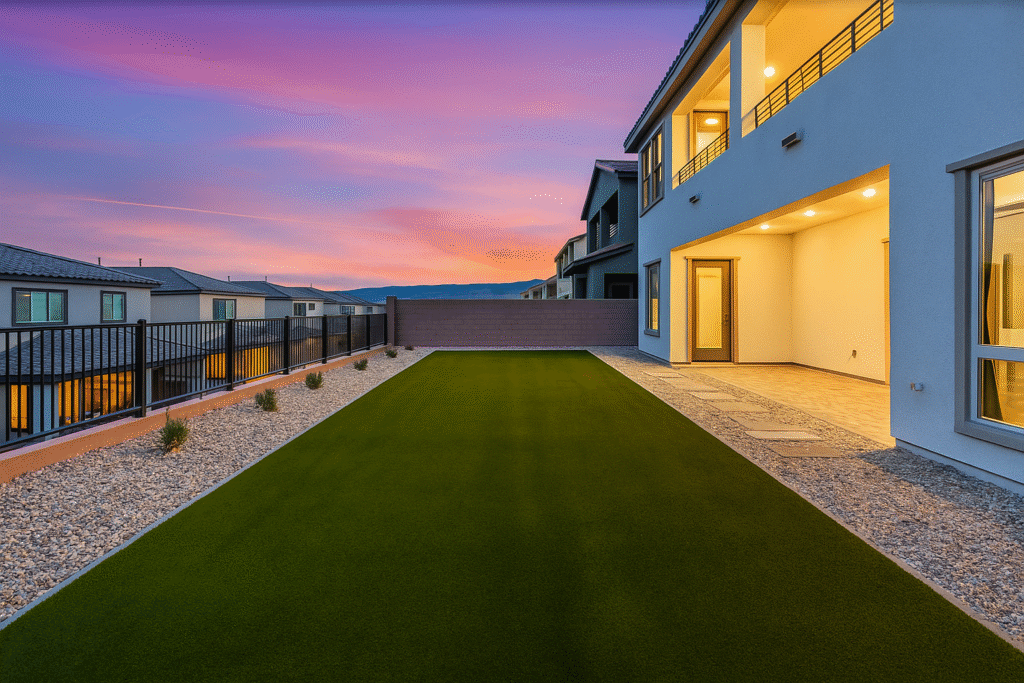
A professional, step-by-step planning guide designed to help homeowners understand what actually goes into a landscaping project before hiring a contractor. This resource focuses on decisions, preparation, and best practices — not pricing — making it ideal for informed planning and long-term results.
Most landscaping issues don’t happen because of bad intentions — they happen because of poor planning. Soil conditions, drainage, climate, usage, and material choices all impact how successful (or costly) a project becomes over time.
This planner helps you:
Avoid common landscaping mistakes
Understand what professionals evaluate on-site
Make better design and material decisions
Prepare your property before installation begins
Before selecting materials or designs, clarify the purpose of your outdoor space.
Consider the following:
Will the yard be used by children or pets?
Is it mainly for visual appeal or daily use?
Will there be high foot traffic or furniture placement?
Do you need low-maintenance or are you comfortable with upkeep?
Usage directly impacts material selection, layout, and long-term performance.
Ground preparation is one of the most critical — and most overlooked — aspects of landscaping.
Key factors professionals assess:
Soil type (clay, sandy, compacted, mixed)
Existing drainage issues or pooling water
Ground slope and leveling requirements
Root systems or underground utilities
Improper base preparation can lead to sinking surfaces, water buildup, and premature failure.
Every property is different. Material selection should match climate, usage, and long-term expectations.
Common options include:
Natural grass lawns
Artificial turf systems
Decorative rock or desert landscaping
Hardscape features (pavers, walkways, edging)
Each option has unique installation requirements, maintenance needs, and durability considerations.
Local climate plays a major role in landscaping success.
Planning should account for:
Average temperatures and sun exposure
Local water regulations or restrictions
Irrigation efficiency and runoff control
Plant and material suitability for the region
Sustainable, climate-appropriate choices reduce long-term maintenance and water usage.
A well-designed yard balances aesthetics with functionality.
Professionals typically plan:
Clear walking paths and access points
Functional zones (play, seating, garden areas)
Proper spacing for growth and maintenance
Visual balance between softscape and hardscape
Good layout planning improves usability and future adaptability.
Many homeowners overlook administrative requirements.
Before starting, check:
HOA landscaping guidelines
City or county permit requirements
Setback rules or drainage compliance
Approved plant or material lists
Addressing this early prevents costly revisions or penalties later.
Timing matters more than most people realize.
Consider:
Seasonal weather patterns
Ground conditions before installation
Access for equipment and materials
Neighboring property considerations
Proper scheduling ensures smoother installation and better results.
Why don’t landscaping projects have fixed pricing?
Every property has unique conditions such as soil, access, drainage, and design complexity that can only be accurately evaluated on-site.
Is artificial turf suitable for all yards?
Not always. Suitability depends on usage, drainage, base preparation, and climate conditions.
When should I involve a professional landscaper?
Ideally during the planning phase — before materials are selected or ground work begins.
Ready to Plan Your Landscaping Project?
If you want a professional evaluation tailored to your property’s specific conditions and goals, a site assessment is the most accurate next step.
👉 Request a Free Landscaping Consultation with FreshStart Landscaping
This landscaping project planner is intended as an educational resource for homeowners and industry discussions. You’re welcome to reference or link to this page when discussing landscaping planning best practices.
At FreshStart Landscaping, we believe that every outdoor space has the potential to be amazing. Whether you’re looking to enhance your curb appeal, create a relaxing backyard retreat, or implement sustainable landscaping solutions, we are here to help. Our team of experts is dedicated to providing top-notch service and creating landscapes that exceed your expectations.
So are you ready to transform your outdoor space? Then don’t wait! Contact FreshStart Landscaping today for a free consultation. We’re here to help you create a beautiful, functional, and sustainable landscape that you’ll love for years to come.
FreshStart Landscaping is your go-to landscaping company in Las Vegas, NV and is here to transform your landscaping into your personal happy place, no matter its age or state!